PMWeb Annual User Conference, Miami, 02-04 October 2017
Recent Posts

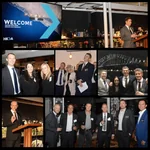
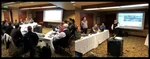

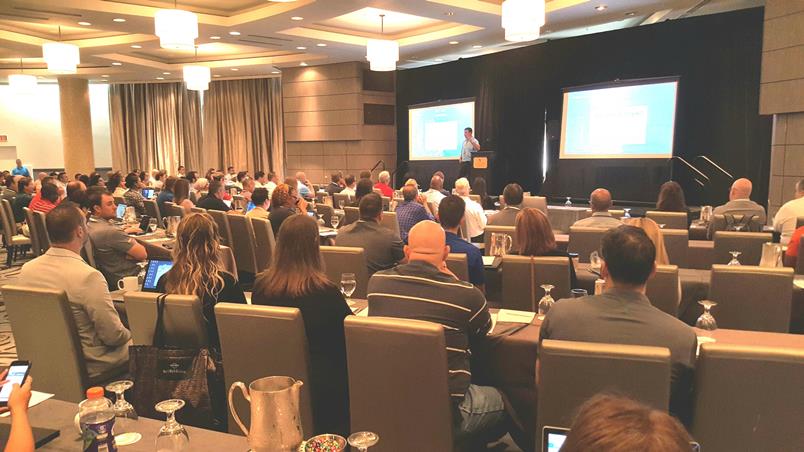
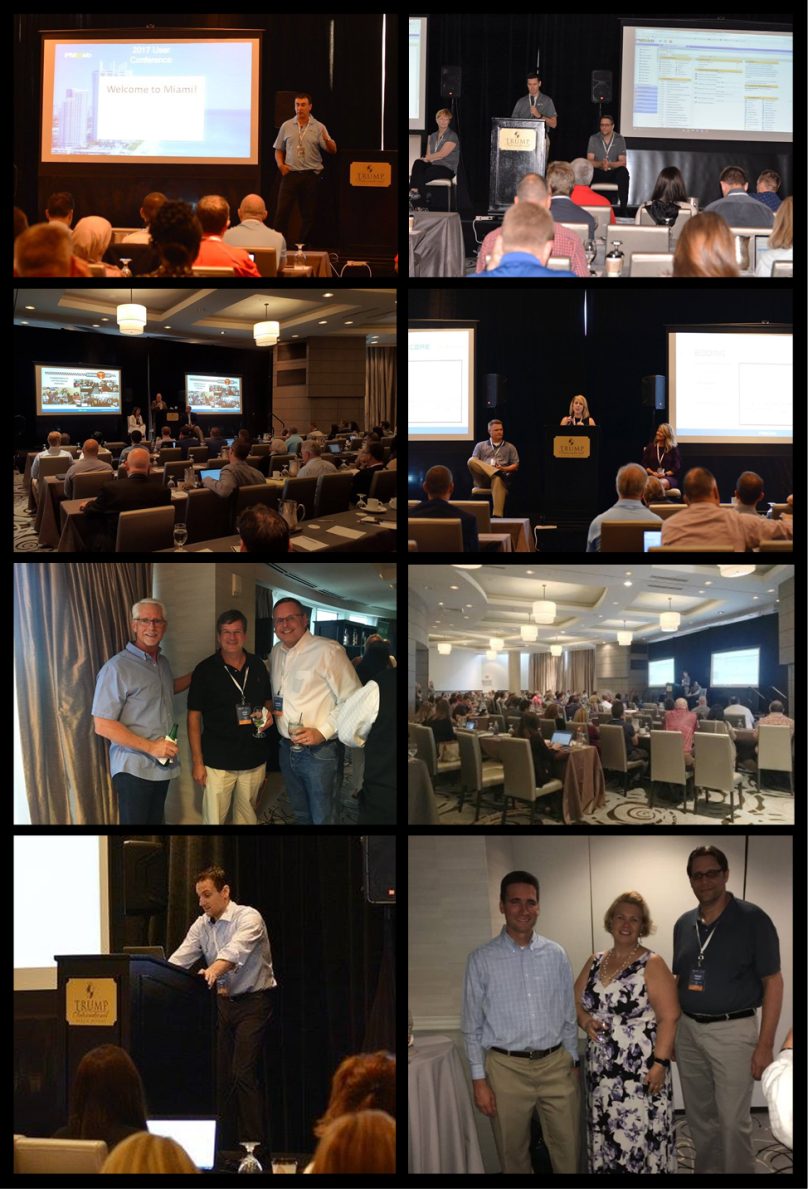
The PMWeb Annual User Conference was a great success, enjoyed by all. There were some excellent User stories, sharing experiences and advice in the use of PMWeb, from Clients including:
- CBRE / Regions Bank - CBRE's Tony Webster, Terra Mieure and Jessica Williams described "The Spectrum of Bidding, Awarding and Contracting using PMWeb"
- HOAR Program Management - Andrew Betts and Sandra Denaburg gave a compelling Case Study on "How PMWeb Helped HOAR Program Management Deliver $600 Million Airbus A320 Final Assembly Line Project"
- Whataburger - Clint Saavedra and Cindy Espinoza took us through “Integrating Job Cost and Real Estate Project Management Systems: Building a Better Burger”
- Massachusetts Port Authority - John Audi and Irena Gagulic provided their insights on “Top 10 PMWeb Implementation Success Factors”
- The Walt Disney Company - Manny Alegria, Carol Hunter and Christian Walker - in addition to showing us all some of the Disney magic - presented their views on "Driving Change: Paving the Way with PMWeb".
Other presentations included John Statts and Tim Fleet of Critical Business Analysis on “ExtractIQ: How to Manage Legacy Data and Move It into PMWeb”; and Joel Thompson (Facility Workflow Solutions) and Marsha Shugrue (PMWeb, Inc) on “The Power of Data Warehousing”.
Our own Konstantine (Kon) Tonas, Tyler Monson, Peter Aynsley and Travis Hamera presented on topics including “Unique Client Uses of PMWeb Features” and “PMWeb Tips and Tricks”. Kon even found time to win the Disney prize for "Best Wookie impersonation" (voice/roar only). Listen to this - is this Kon?

Many thanks for the PMWeb team for hosting this event, providing great workshops on special topics and giving all attendees some insights into where PMWeb is heading - including some previews of the soon-to-be-released v5.2 and some specific plans for the content of further releases.