PMIS (Project Management Information System) Implementations and Digital Adoption
Recent Posts





HKA Tech's Patrick Mason writes on challenges and solutions
As technology becomes evermore present in the construction industry, the challenge of fully utilising these new capabilities is a struggle many organisations have yet to overcome. It is not uncommon for owners, contractors, subcontractors and architects to spend months reviewing PMIS software during an RFP process to then spend 3-18 months on a full fledged implementation, only to have their end users push back on the new policies and processes out of frustration, fear, confusion or apathy. This leads to wasted time, wasted budget, frustrated employees and missed goals; the least desirable scenario. In this circumstance, there is a gap between the technology and people where the best laid intentions die. Digital Adoption is the concept designed to bridge that gap.
Many questions are asked during a PMIS implementation: What are the current policies? What are the biggest drawbacks with these policies? What can technology do to alleviate these drawbacks? How can leadership use technology to make better, more efficient decisions? How can software be reconfigured to meet leadership’s needs? In a well planned implementation, these questions are all answered and the software is built to all the necessary specifications. It has largely been expected that once the implementation is complete, the benefits of the new system will be immediately understood and experienced, but this is not always the case. Why not?
The short answer is that there is a lack of understanding about the need for new software. To many users, there was no need to change. They were doing their job before, why should they change now? Answering this leads deep into the realm of Organizational Change Management, but once that’s answered, there is still the training users to use the new software: Where are the buttons I need to press to do my job? How do I navigate this new software? How can I spend less time with all this new data entry I’m being required to complete? Digital Adoption is the art of simplifying the process of training a software novice to become a software master. When Digital Adoption has been performed successfully, the end users will feel that the software was built for them and that the processes are intuitive and clear.
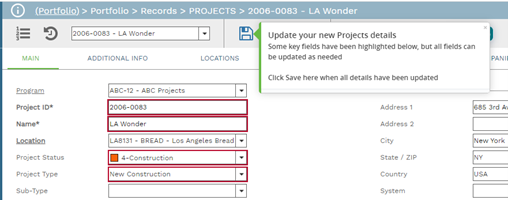
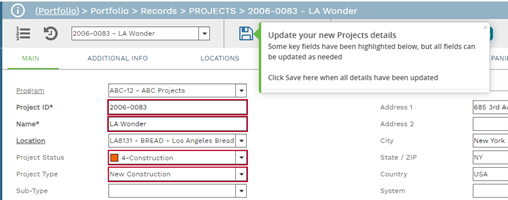
There are many paths to successful Digital Adoption. HKA has successfully delivered on Digital Adoption through their partnership with WalkMe, a Digital Adoption Platform due to the following reasons. 1) WalkMe’s highly customised on screen interactive guidance has replaced the traditional user manual and has been instrumental in expediting new user onboarding. 2) WalkMe has allowed HKA to put contextual guidance exactly where end users are most likely to feel friction within the software and alleviate pain before it can start. 3) Customised logic and branching questions allow users to be successfully navigate through complicated processes with ease. 4) WalkMe was used to augment system functionality and provide features that the host PMIS either lacked or would have incurred exceptional development time and costs.

By using WalkMe, the confusion and frustration that normally accompany software changes is significantly decreased, allowing the benefits of the new system to be quickly and fully realised.
The concept of Digital Adoption is new, but it is one that the construction industry must accept and prioritise. Technology, software and PMIS are on the rise and will continue to grow within our industry; and it behooves leaders to find ways to capitalise on this efficiently. The advantages of having a workforce become immediate masters of new software are obvious, while the effects of poorly managed Digital Adoption are catastrophic. Platforms like WalkMe and implementers like HKA are at the leading edge of this charge. HKA has a proven track record of achieving the results leaders expect and are excited to continue pioneering new ways to facilitate the construction industry’s adoption of more effective project management through technology.